
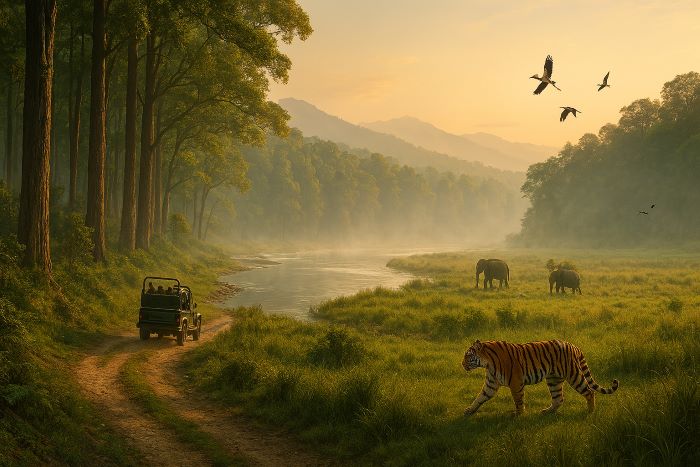
Jim Corbett National Park situated in the picturesque foothills of the Himalayas in Uttarakhand, India is a dream destination for wildlife lovers, adventure seekers, and nature enthusiasts. Recognized as India’s first national park and the birthplace of the iconic Project Tiger, Corbett stands as a legendary haven for biodiversity. For first-time visitors, the park offers an extraordinary blend of wildlife safaris, scenic landscapes, and rich forest ecosystems.
Whether your goal is to spot the majestic Bengal tiger, explore serene forest trails, or simply disconnect in nature, this detailed guide will help you plan the perfect visit. From understanding the various safari zones and securing permits to choosing the right season and accommodation, here’s everything you need to know to make your maiden trip to Jim Corbett National Park seamless, safe, and memorable.
Why Visit Jim Corbett National Park?
Jim Corbett National Park is renowned for being one of India’s richest wildlife habitats, home to the iconic Bengal tiger, elusive leopards, Asiatic elephants, gharials, deer species, and more than 600 varieties of birds, making it a paradise for birdwatchers and wildlife enthusiasts alike. The park’s breathtaking diversity ranging from dense sal forests and vast grasslands to meandering riverbanks and rocky terrain creates a stunning natural setting that attracts travelers from across the world.
Whether you’re an adventure seeker eager for thrilling jeep safaris or someone looking to unwind in the peaceful lap of nature, Jim Corbett offers an experience tailored to every kind of traveller. Its pristine environment, rich flora and fauna, and serene landscapes make it one of the most scenic and rewarding wildlife destinations in India.
Understanding the Zones of Jim Corbett
Jim Corbett National Park is divided into five major tourism zones, each designed to offer visitors a unique wildlife experience and a different perspective of the park’s rich ecosystem. Understanding these zones helps you choose the right safari area based on your interests whether it’s tiger sightings, birdwatching, photography, or simply enjoying the untouched beauty of the forest.
1. Dhikala Zone – The Heart of Jim Corbett
The Dhikala Zone is the largest and most popular safari zone in Jim Corbett National Park. Known for its exceptional tiger sightings, sprawling grasslands, and breathtaking views of the Ramganga River, Dhikala offers an immersive experience into the core wilderness of Corbett.
It is also the only zone that allows night stays inside the forest lodges, making it a favorite among wildlife enthusiasts seeking an authentic jungle experience.
2. Bijrani Zone – Ideal for Jeep Safaris & Photography
The Bijrani Zone is famous for its diverse landscapes, thick forests, and open grasslands, making it perfect for wildlife photography. Its balanced ecology offers excellent opportunities to spot tigers, elephants, and deer species during jeep safaris. Bijrani is often preferred by visitors looking for a scenic yet adventure-filled safari experience.
3. Jhirna Zone – Open All Year Round
The Jhirna Zone is one of the few zones that remains open throughout the year, making it a great option for off-season travelers. Known for its rich population of herbivores like deer and antelopes, this zone is also a delight for birdwatchers. Its relatively flat landscape offers smooth jeep safari routes and consistent wildlife sightings.
4. Dhela Zone – A Peaceful, Less-Crowded Safari Zone
Dhela Zone is a newer addition to Jim Corbett’s tourism zones and is popular for its mixed forest landscapes, including sal trees, grasslands, and dense vegetation. This zone offers a peaceful safari experience, away from the usual tourist rush.
It’s a great choice for wildlife enthusiasts who prefer a quieter, more secluded environment while still enjoying good chances of spotting animals and birds.
5. Durga Devi Zone – A Haven for Bird Lovers
Situated on the northeastern side of the park, the Durga Devi Zone is known for its stunning hilly terrain, river streams, and exceptional birdlife. It is one of the best zones for birdwatching, offering sightings of rare species along with opportunities for angling in the Ramganga River.
Its rugged landscape appeals to nature lovers seeking a slightly more challenging and adventurous safari route.
Pro Tip:
Choose your safari zone based on your interests Dhikala for tiger sightings and night stays, Bijrani for photography, Jhirna for year-round access, Dhela for peaceful safaris, and Durga Devi for birdwatching and scenic beauty.
Types of Safaris in Jim Corbett
Jim Corbett National Park offers two popular safari experiences that allow visitors to explore its rich wildlife, scenic landscapes, and diverse habitats. Each safari type provides a different way to enjoy the jungle, depending on your group size, comfort, and adventure preferences.
1. Jeep Safari – The Most Popular Safari in Jim Corbett
The Jeep Safari is the most preferred way to experience Jim Corbett, offering flexibility, speed, and close‑to‑nature interactions.
- Available in all safari zones, including Dhikala, Bijrani, Jhirna, Dhela, and Durga Devi.
- Ideal for small groups, nature photographers, and wildlife enthusiasts who want a more private and immersive jungle experience.
- The safari typically lasts 3–4 hours, with morning and afternoon slots available.
Thanks to its manoeuvrability, a jeep can venture deep into the forest, increasing your chances of spotting tigers, elephants, deer, and a variety of birds.
2. Canter Safari – Best for Group Travel in Dhikala Zone
The Canter Safari, also known as the open‑bus safari, is an excellent option for larger groups or travelers who want to explore the core Dhikala Zone without needing individual jeep permits.
- Operates exclusively in the Dhikala Zone, known for high tiger sighting probability and stunning landscapes.
- Suitable for bigger groups, families, school trips, or visitors unable to secure jeep permits.
- Runs as a half‑day tour, offering a comprehensive overview of the zone’s vast grasslands, riverbanks, and wildlife habitats.
The canter’s elevated seating provides wide, unobstructed views of the surroundings, enhancing the safari experience especially for first‑time visitors.
Pro Tip:
Book your Jim Corbett safari well in advance, especially during weekends, holidays, and peak seasons (November to June), as both jeep and canter safari slots fill up quickly.
Permits and Booking Process
Obtaining a government‑issued entry permit is mandatory for anyone visiting Jim Corbett National Park. These permits regulate tourist entry into designated safari zones and ensure responsible wildlife tourism.
Visitors can conveniently book permits online through the official Jim Corbett website or via authorized travel agents, making the process simple and transparent.
Documents Required
To complete your booking, you will need a valid government photo ID, such as:
- Aadhaar Card
- Driving License
- Passport (mandatory for foreign nationals)
These details must match the ID you carry during your safari.
Booking Window
- For Indian nationals, safari permits open 45 days in advance.
- For foreign nationals, booking opens 90 days in advance due to limited availability and higher demand.
Because Corbett has strict entry limits for each safari zone, permits often get sold out quickly—especially for popular zones like Dhikala and Bijrani.
Safari Charges
Permit charges vary depending on:
- The safari zone selected
- The type of safari (Jeep or Canter)
- The season and demand
These fees include forest entry charges and vehicle registration costs, but guide fees may apply separately.
Important Note
Always carry your original ID and printed/digital permit during the safari.
Forest authorities perform strict verification at the entry gates, and entry is not allowed without proper documentation.
Best Seasons to Visit
Jim Corbett National Park remains open for visitors from November to June, and each season brings its own charm, wildlife behavior, and safari experiences.
Understanding the seasonal differences can help you choose the best time to visit Jim Corbett based on your interests whether it’s tiger sightings, pleasant weather, photography, or birdwatching.
Winter (November–February) – Best Season for Wildlife Sightings
Winter is one of the most popular times to visit Jim Corbett, offering cool, pleasant weather ideal for morning and afternoon safaris.
- Wildlife is highly active during winter, increasing chances of spotting tigers, elephants, deer, and migratory birds.
- The crisp air and misty mornings make the forest look magical, perfect for photography enthusiasts.
This season is perfect for visitors who want a comfortable climate along with great animal sightings.
Summer (March–June) – Excellent for Tiger Sightings
Though summer temperatures can rise significantly, this season is considered the best time for tiger sightings in Jim Corbett.
- Animals frequently visit waterholes, making them easier to spot during safaris.
- The thinning foliage improves visibility deep inside the forest.
Adventure seekers and wildlife photographers often prefer summer for its high‑visibility landscapes and rewarding safari experiences.
Monsoon (July–October) – Limited Access but Lush Beauty
During the monsoon season, heavy rainfall leads to the closure of most zones for safety reasons.
- Only Jhirna Zone and Dhela Zone remain open year‑round, including during monsoons.
- The forest becomes lush, green, and vibrant, attracting birdwatchers and nature lovers.
While tiger sightings are less frequent, monsoon visits offer a serene, uncrowded experience with dramatic landscapes.
Where to Stay in Jim Corbett
Jim Corbett National Park offers a wide range of accommodation options that cater to every type of traveler from wildlife lovers looking to stay deep inside the forest to holidaymakers seeking comfort and luxury near the park’s entry gates.
Whether you prefer rustic forest lodges or modern resorts with premium amenities, Corbett has something for every budget and travel style.
Staying Inside the Park – Dhikala Forest Lodge
For travelers craving an authentic jungle experience, the Dhikala Forest Lodge is the most sought‑after stay inside Jim Corbett National Park.
- Located in the heart of the Dhikala Zone, it offers unmatched proximity to wildlife and panoramic views of the Ramganga River and grasslands.
- Rooms are limited and in high demand, so booking well in advance is essential.
- Facilities are basic but comfortable, allowing you to experience the raw, untouched beauty of the forest without modern distractions.
Staying inside the park significantly increases your chances of wildlife sightings, especially during early mornings and late evenings.
Staying Outside the Park – Resorts & Hotels in Ramnagar
If you prefer comfort, convenience, and a variety of amenities, the village Dhikuli nearby the town of Ramnagar the main gateway to Jim Corbett offers numerous options.
- Luxury resorts with swimming pools, spas, jungle‑view rooms, and curated safari packages
- Mid‑range hotels ideal for families and couples
- Budget stays and homestays for economical travelers
These accommodations provide easy access to all major safari zones while ensuring modern comforts like restaurants, Wi-Fi, guided tours, and recreational activities.
Pro Tip:
Staying inside the park gives you a true wilderness experience, but be prepared for minimal amenities. If you prefer comfort and flexibility, opt for the well-equipped resorts and hotels in Ramnagar.
Essential Travel Tips
To make the most of your Jim Corbett safari experience, a little preparation goes a long way. Following these simple yet important tips will help you enjoy safer, smoother, and more rewarding wildlife encounters.
• Wear Neutral-Colored Clothing
Choose neutral, earthy shades like beige, olive green, brown, or khaki. These colors blend naturally with the forest environment, reducing the chances of disturbing wildlife and improving your chances of spotting animals up close. Avoid bright colors and flashy patterns.
• Maintain Silence and Respect Wildlife
Wild animals are extremely sensitive to sound. Keep your voice low, avoid sudden movements, and never try to attract an animal’s attention. Respecting wildlife not only ensures safety but also enhances the overall experience for everyone on the safari.
• Carry Binoculars and a Good Camera
A pair of binoculars can help you observe animals and birds from a distance, especially in dense forest areas or open grasslands. A good camera with a zoom lens is ideal for capturing stunning wildlife shots and scenic landscapes inside the park.
• Book Safaris and Stays Well in Advance
Jim Corbett is one of India’s most popular wildlife destinations, and safari permits get booked very quickly especially in zones like Dhikala and Bijrani.
Make sure to book your safari and accommodation at least 30–45 days in advance to secure your preferred zone, time slot, and stay option.
Final Thoughts
Visiting Jim Corbett National Park for the first time is truly an adventure of a lifetime. From its incredible biodiversity and thrilling safari experiences to its peaceful riversides and dense forests, Corbett offers a rare blend of excitement and serenity that stays with you long after your trip ends. Whether you’re hoping to spot the majestic Bengal tiger, capture stunning wildlife photographs, or simply soak in the tranquility of nature, Corbett never fails to amaze.
To make the most of your journey, plan wisely select the right safari zone, book your permits well in advance, and choose the ideal season based on your interests. With thoughtful preparation, your first visit to Jim Corbett will become a cherished memory and a story you’ll love to revisit for years to come.






